




Can You Plan A Great Portrait?
Absolutely.
Every strong portrait is a journey between preparation and spontaneity.
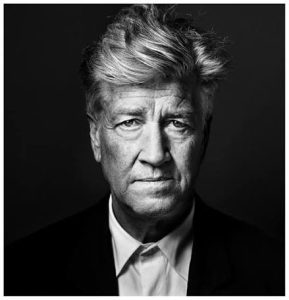
When you photograph another human being, you are not simply recording what that person looks like. You are creating your interpretation of the person standing in front of you.
And sometimes you have only a fraction of a second to understand them.
A gesture. The eyes. A hesitation. Strength. Vulnerability. Confidence.
You read the person-and then you decide what you want the viewer to see.
Light becomes part of that interpretation.
Perhaps a shadow directs all attention towards the eyes. Perhaps softer light reveals more of the person and allows the viewer to form their own interpretation. Every choice changes the story.
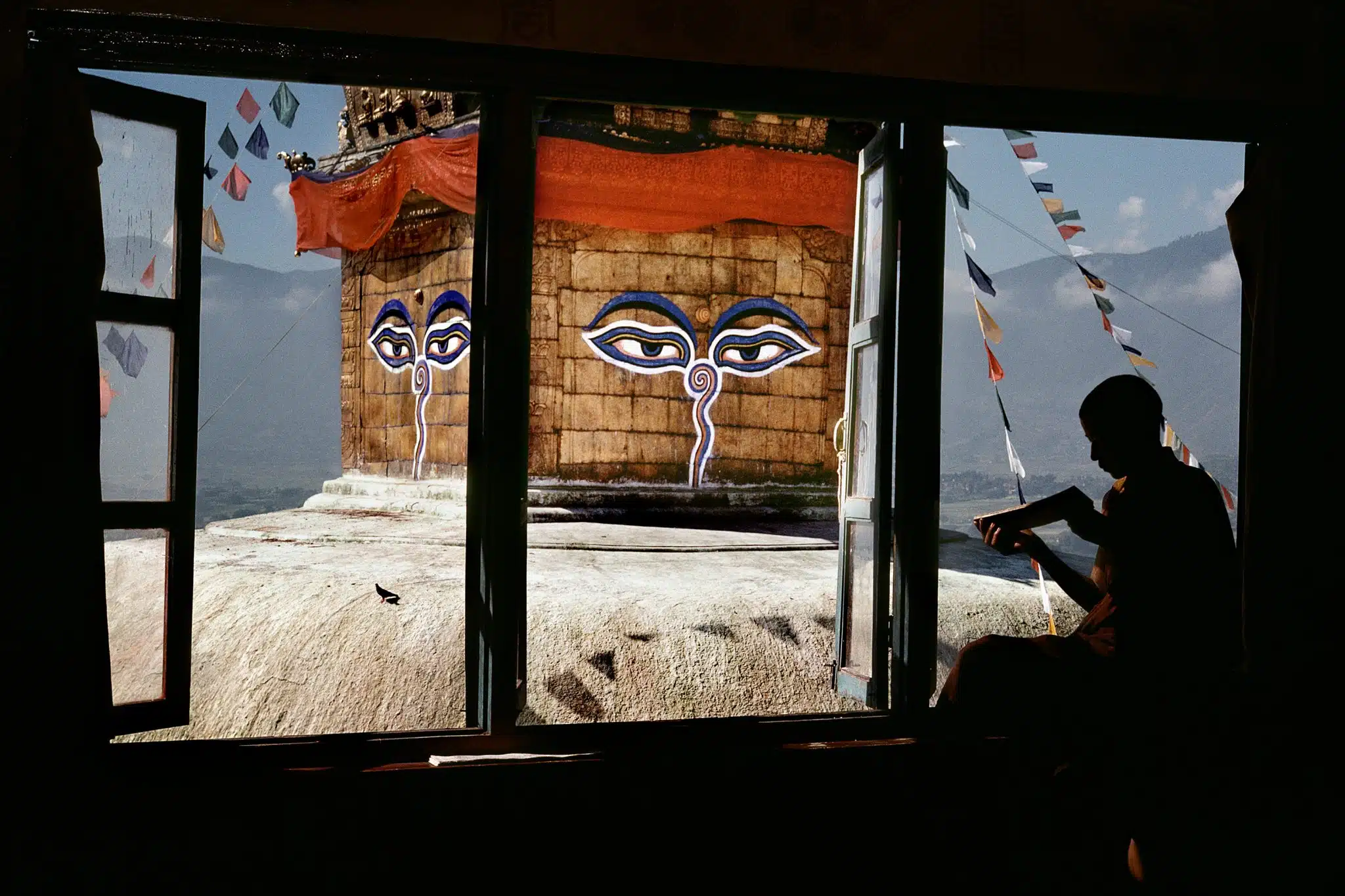
The greatest portrait photographers understand this instinctively. Look at the work of Steve McCurry, Richard Avedon, Irving Penn, Yousuf Karsh, Annie Leibovitz and Marco Grob. Their photographs are not remembered because of the cameras they used.
We remember the people.
And that brings us to perhaps the most important point of all:
The camera does not create the portrait. You do.
Of course, lenses, resolution and technical quality matter. But an expensive camera has never given a human being personality, presence or a story.
The photographer does that.
The difference between a simple record of a face and a portrait that survives generations is the connection between you, your subject and the moment you choose to preserve.
That is where a portrait becomes more than a photograph.
That is where it becomes a work of art.